
Mitigation plan
Risk management has become a major concern for all types of organizations. In this context, mitigation, which involves reducing the harmful effects of undesirable events, is emerging as an essential practice. Whether addressing natural hazards or industrial risks, implementing a mitigation plan has become a necessity. In this article, we will explore in depth the concept of risk mitigation. Then, we will look at its importance in protecting operations and resources, as well as the legal obligations and key steps for implementing an effective risk management plan.
What is mitigation?
Mitigation refers to the action of reducing or minimizing the harmful effects or negative consequences of a risk. In other words, it is the process of implementing preventive or corrective measures to limit potential damage or disruptions caused by an undesirable event. Indeed, risk mitigation is commonly used in various fields such as:
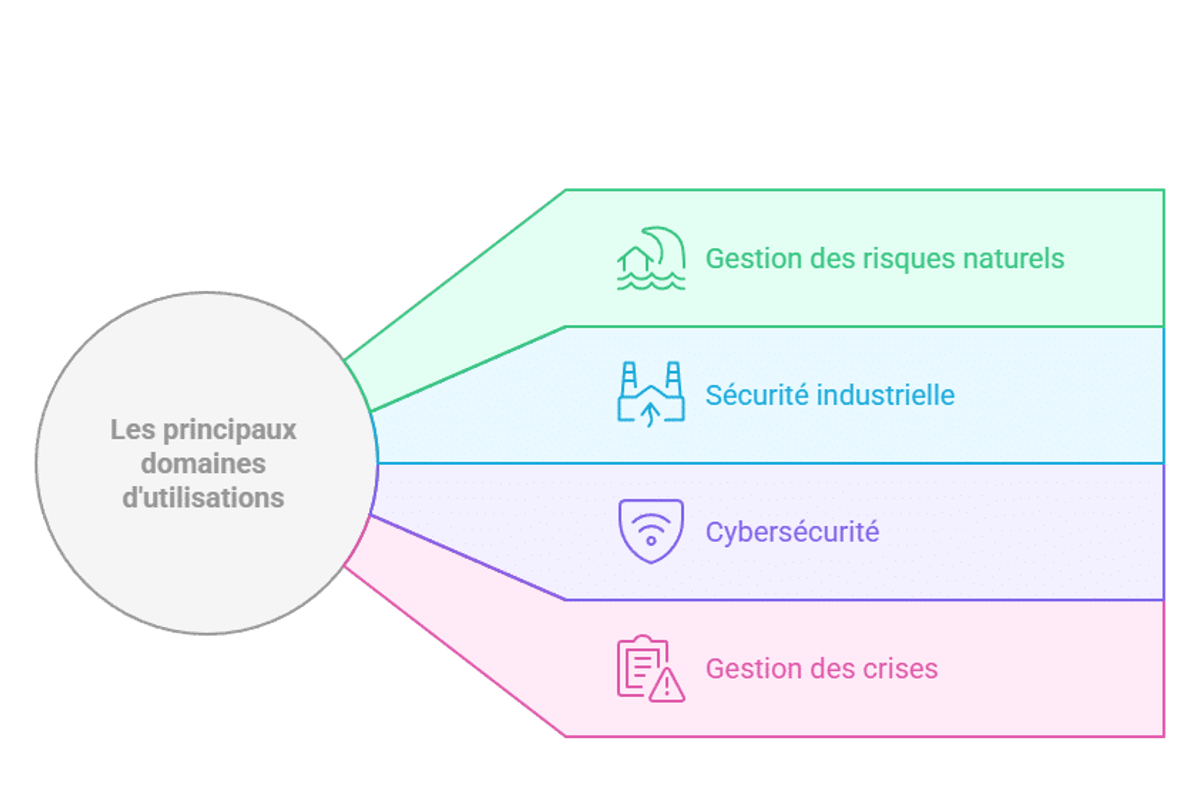
Thus, its main objective is to strengthen resilience and protect people, property, and the environment against threats and hazards.
Why implement a risk mitigation plan?
A risk mitigation plan is an essential document for any organization. Indeed, it provides a detailed roadmap for minimizing the negative impacts of undesirable events. By identifying potential hazards and assessing their likelihood and impact, this plan enables the implementation of appropriate preventive measures. Furthermore, by reducing risks, it protects the organization's assets and ensures business continuity. It also helps comply with regulations and meet legal requirements regarding risk management. In summary, a risk mitigation plan is a crucial tool for anticipating, managing, and reducing risks. A risk mitigation plan can also prove very useful as part of a Business Continuity Plan. It will help clearly identify risks and then establish scenarios that enable business continuity in the event of a crisis. If you don't know where to start in establishing your risk mitigation plan, CountAct can help you. First, we will identify the risks you are exposed to, and then we will help you define an operational mitigation plan!
What are companies' legal obligations regarding risk mitigation?
Companies' legal obligations regarding the implementation of a risk mitigation plan vary depending on:
The industry sector
The size of the company
Local legislation
However, here are some common examples of legal obligations: 1) Workplace safety legislation In many jurisdictions, companies must guarantee the safety and health of their employees in the workplace. This may include developing mitigation plans to prevent workplace accidents, injuries, and occupational illnesses. 2) Environmental protection Companies are often subject to environmental regulations. Indeed, they require the implementation of mitigation measures to reduce their impact on the environment. This aspect, handled by the QSE department, may include plans to:
Manage waste
Reduce polluting emissions
Prevent environmental incidents.
3) Civil and criminal liability In the event of negligence or failure to comply with legal obligations regarding risk mitigation, companies may be held civilly liable to affected parties. Furthermore, in certain serious cases, criminal penalties may also be imposed.
Failing to meet your legal obligations on risk mitigation isn't just a compliance issue, in the event of an incident, negligence can expose your organization and its leaders to civil and criminal liability. Documenting your mitigation efforts is your best protection.
How to implement a risk mitigation plan?
Implementing a risk mitigation plan involves several key steps to:
Identify
Assess
Address risks effectively.
Here we offer a general two-step guide on how to proceed:
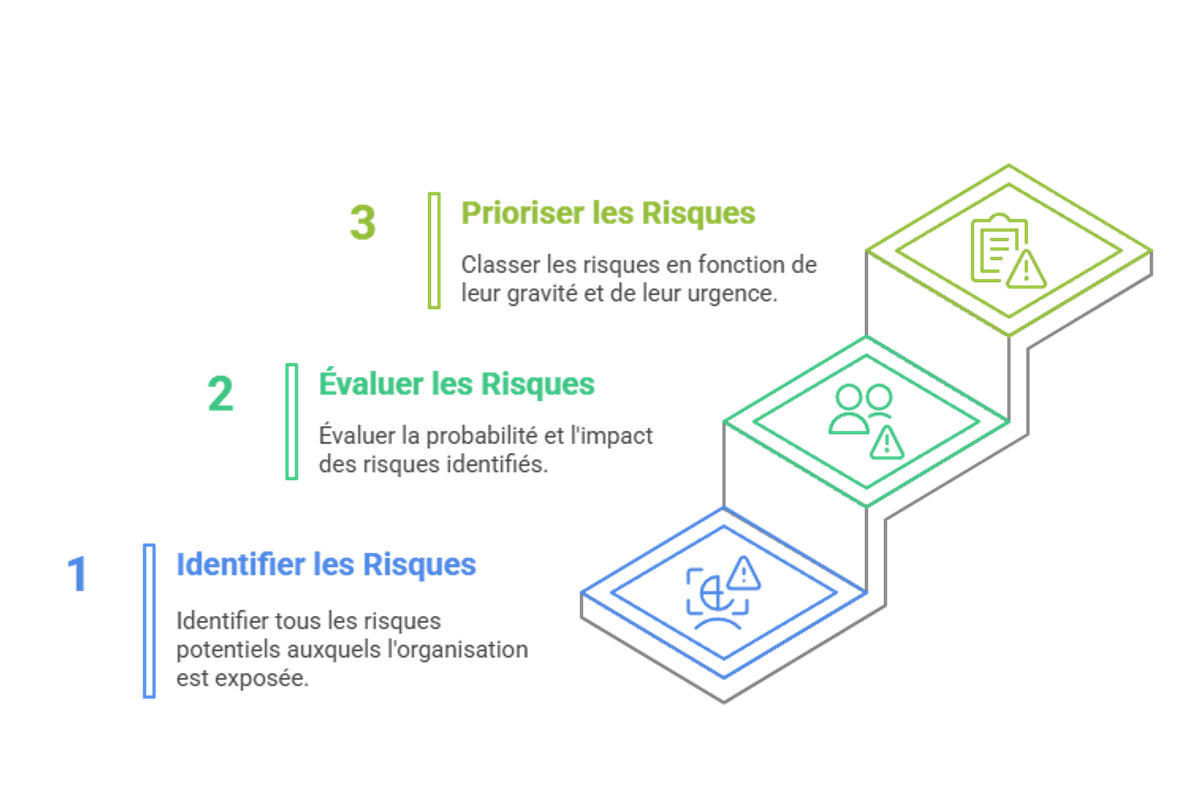
Step 1: Risk identification and assessment
1/ Risk identification:
Start by identifying all potential risks your organization is exposed to. This may include risks related to safety, health, regulatory compliance, finance, reputation, etc. Involve the relevant stakeholders in this process to get a complete view of the risks.
2/ Risk assessment:
Once the risks have been identified, assess their likelihood of occurring and their potential impact on the organization. Also, use methods such as qualitative or quantitative analysis to assign scores to risks based on their criticality.
3/ Risk prioritization:
Rank the risks according to their severity and urgency. Focus on the most critical risks, those that have the greatest impact on the organization's objectives or are most likely to occur. In order to assess and rank your risks, we recommend implementing performance indicators. Tools such as CountAct provide you with a selection of essential and easy-to-understand indicators, making it easier to subsequently classify your risks. Furthermore, CountAct, through its consulting services, can identify the risks your company is exposed to and provide recommendations on how to manage them.
Step 2: Developing and implementing the risk mitigation plan
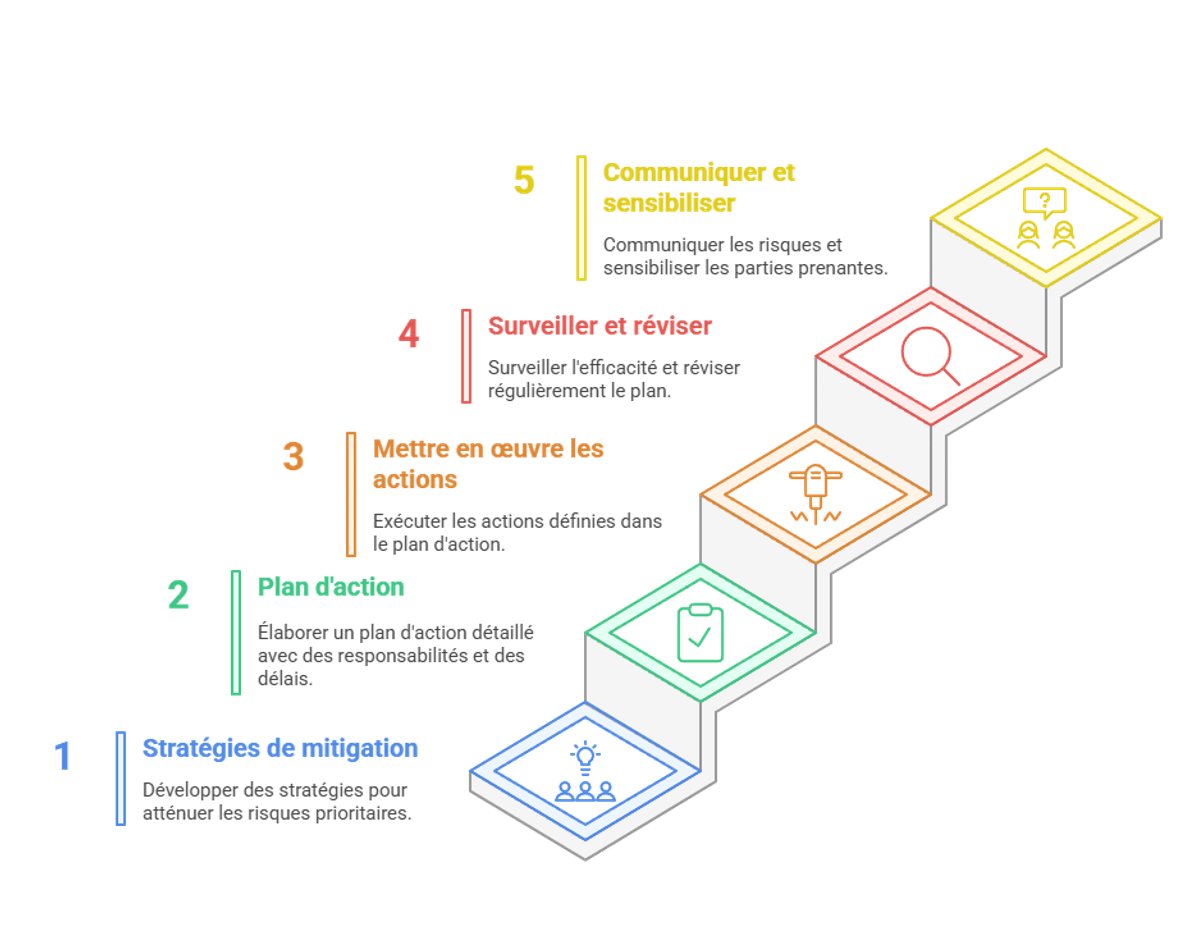
1/ Developing mitigation strategies:
Once the priority risks have been identified, determine the appropriate mitigation strategies for each risk. This may include measures to prevent, reduce, transfer, or accept risks.
2/ Developing an action plan:
Create a detailed action plan to implement the identified mitigation strategies. Clearly indicate the responsibilities, timelines, and resources needed for each action. Make sure the action plan is achievable and aligned with the organization's objectives.
3/ Implementing mitigation measures:
Implement the actions defined in the action plan. Make sure to inform all stakeholders of their roles and responsibilities, and make available the resources needed to carry out the mitigation activities.
4/ Monitoring and review:
Regularly monitor the effectiveness of the mitigation measures put in place. Periodically review the mitigation plan to account for changes in the organization's environment, new emerging threats, or lessons learned from past situations. This will also allow you to keep your single occupational risk assessment document (DUERP) up to date!
5/ Communication and awareness:
Communicate transparently about identified risks, ongoing mitigation measures, and progress made in implementing the plan. Raise awareness among employees and stakeholders about the importance of risk management and their role in the process.
By following these steps, your organization can develop a risk mitigation plan tailored to its specific needs. Furthermore, make sure to maintain a proactive and adaptable approach to address changing challenges and new threats. CountAct can help you implement an action plan for tracking health and safety objectives in order to maintain the actions put in place and ensure their effectiveness and continuity. Furthermore, certain features of the CountAct application help raise employee awareness on a daily basis in a digital way. Indeed, they will receive notifications regarding:
A reminder of good safety practices
To prevent the emergence of new regulatory aspects!
And much more! Once again, if implementing a risk mitigation plan seems complex to you, do not hesitate to contact us by booking an appointment directly through our website! We will be happy to help you build this plan together! In conclusion, risk management and risk mitigation are now imperatives for all organizations. The practice of mitigation is essential for preserving operations and resources. By following the key steps to develop a risk mitigation plan, organizations can therefore strengthen their resilience and operational continuity in the face of new challenges. Finally, it is essential to remember that adopting a proactive approach to risk management is essential in a constantly changing environment.
Need help building your risk mitigation plan?
Our team can help you identify, assess, and address the risks specific to your organization, and put in place a plan that meets your legal obligations.
SécuQuiz
Test your knowledge
Question 1 sur 5
What is the main objective of risk mitigation?
Sources & references
- La mitigation — www.nord.gouv.fr
- CountAct — calendar.google.com
Frequently asked questions
Tom BasinStrategic Partnerships Manager
Holding a Master's degree in risk prevention, Tom Basin serves as Partnerships Manager at CountAct, contributing to the development and rollout of the first turnkey crisis management support solution, with the aim of putting security back at the heart of businesses. His experience, along with his training at the Master's level and at the Institut national des hautes études de la sécurité et de la justice, gives him a broad perspective on security and crisis management.