
Types of Business Risks
How to define a risk in a business?
In terms of workplace safety, risk refers to the potential threat that can compromise the safety of people, data, or operations. Security risks can include threats such as intrusions, fires, or industrial accidents. These are all events likely to jeopardize the overall safety and security of the company and its employees. Each of these risks can have negative consequences for the health and safety of your employees, but also for the long-term viability of your business. You must therefore be able to identify all types of risks in order to manage them properly.
What are the different types of risks in a business?
Every company is different. As such, they all have varied types of risksdepending on their type of business: tertiary, industrial, ICPE, SEVESO. Here is a list of the main risks employees are exposed to within a company.
Musculoskeletal disorder (MSD) risks
These risks are linked to and often caused by repetitive movements. These MSDs can also result from poor working posture, often encountered in manual labor and office tasks. They therefore result from poor ergonomics of workstation equipment. MSDs represent by far the leading cause of occupational diseases compensated. Indeed, they accounted for 86% of the 47,398 occupational diseases covered by French Health Insurance (Assurance Maladie) in 2021.
Psychosocial risks (PSR)
Psychosocial risks in the workplace can be linked to work-related stress, overload, or a lack of autonomy, for example. They can also be caused by threats, harassment, conflict situations, etc. Exposure to these risks can have health consequences for employees. In particular, in terms of cardiovascular disease, psychological disorders, or burnout.
Chemical and biological risks
Chemical risks most often result from exposure to hazardous chemical substances, such as toxic products, harmful gases, solvents, etc. Biological risks, meanwhile, are associated with exposure to infectious agents such as viruses or bacteria. They generally concern the healthcare, agriculture, or food industry sectors.
Risks related to machinery and equipment
These are caused by the use of tools and machines lacking adequate protection, which could cause accidents such as crushing, cuts, amputations, and others.
Risks related to safety conditions
Risks related to workplace safety conditions, such as fires and explosion hazards, pose significant threats to worker safety and the integrity of infrastructure. Regarding fires, failures in electrical systems, faulty equipment, or flammable materials can trigger emergency situations. The consequences can jeopardize the safety of property and, in extreme cases, the safety of people. Similarly, explosion risks are often associated with the handling of chemical substances, flammable gases, or sensitive industrial processes. Poor management of these elements can lead to potentially devastating explosions, endangering the safety of workers and facilities. It is imperative for companies to implement robust preventive measures to minimize these risks and ensure a safe working environment. In this respect, CountAct was created to ensure regulatory compliance through a digital tool that lets you track your various certifications and the assignment of your safety officers. Indeed, the CountAct solution is the first digital solution enabling you to manage compliance with current standards. Thanks to it, depending on your type of business and therefore your different types of risks, you will be able to manage all emergency situations with complete simplicity and peace of mind.
How to assess the types of risks in my business?
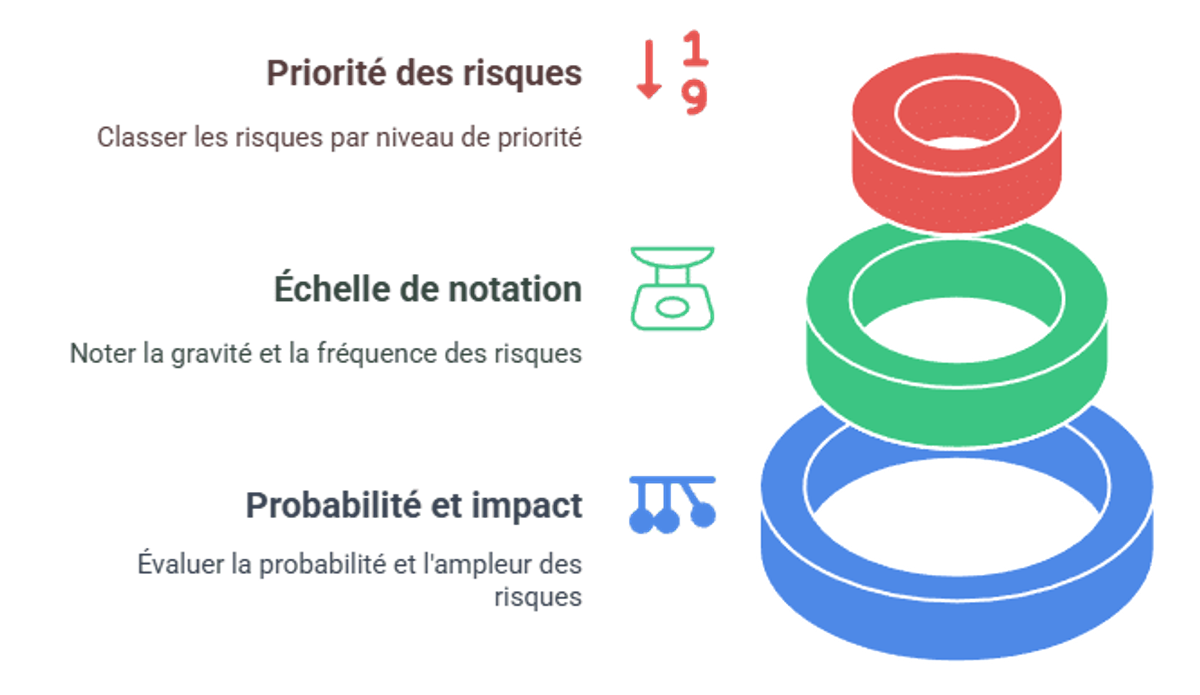
To begin, it is important to remember that carrying out a risk assessment of your business is a legal obligation. Indeed, risk assessment is a crucial step in developing the Single Occupational Risk Assessment Document (DUERP) for your business. Here is a general methodology to help you with this process:
Conducting a risk assessment and drafting the DUERP (Document Unique d'Évaluation des Risques Professionnels) is not optional: French labor law requires every employer to formally assess and document occupational risks. Failure to comply can expose the company to legal liability in the event of an accident.
1) Assessment of risk types:
2) Prevention and Protection Measures:
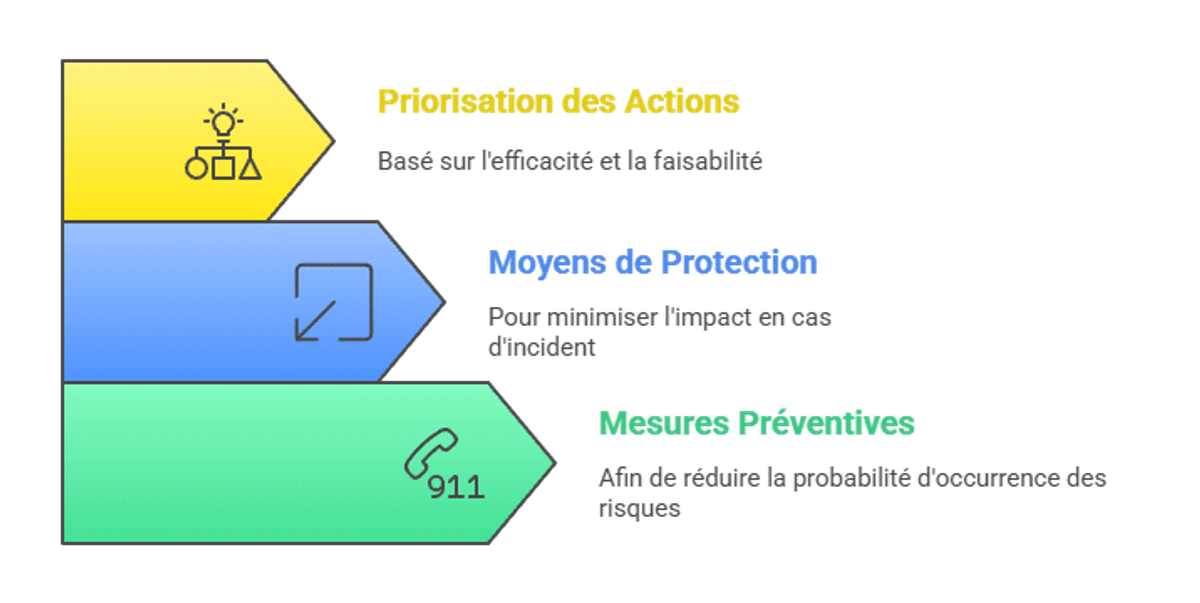
The CountAct solution is a recognized means of prevention and protection. Using the CountAct solution demonstrates the improvement of your processes in order to show your employees your commitment to their safety. If you wish to establish a continuous improvement process, feel free to contact us by directly booking an appointment!Tip: don't hesitate to involve your employees in the risk assessment process. They are the primary stakeholders, so ask for their opinion on working conditions, potential hazards, and suggestions for improvement. Furthermore, including employees in risk prevention is an essential element in improving your QSE performance!
Simplify your risk prevention with CountAct
See how the CountAct solution helps you identify, assess, and manage occupational risks while staying compliant with your DUERP obligations.
3) Drafting the DUERP
- Summarize the information in the DUERP by providing a clear view of the identified risks and proposed actions.
- Include the assessment results, the prevention measures, the corrective actions, and the associated responsibilities.
- Regularly update the DUERP to reflect changes within the company.
In summary, the diversity of risks that companies face requires precise identification in order to implement appropriate solutions. Effective management of these risks is crucial to ensuring worker safety and the long-term viability of the company. The CountAct solution offers a personalized digital approach to managing safety and security emergencies. In conclusion, always keep in mind that involving employees in this process strengthens the effectiveness of these efforts.
SécuQuiz
Test your knowledge
Question 1 sur 5
What share of occupational diseases compensated by French Health Insurance in 2021 were musculoskeletal disorders (MSDs)?
Sources & references
- Chemical risks — www.inrs.fr
- Biological risks — www.inrs.fr
- an appointment! — calendar.google.com
Frequently asked questions
Tom BasinStrategic Partnerships Manager
Holding a Master's degree in risk prevention, Tom Basin serves as Partnerships Manager at CountAct, contributing to the development and rollout of the first turnkey crisis management support solution, with the aim of putting security back at the heart of businesses. His experience, along with his training at the Master's level and at the Institut national des hautes études de la sécurité et de la justice, gives him a broad perspective on security and crisis management.