
SEVESO Negligence: Environmental Safety Lessons
Companies classified as SEVESO must place critical importance on environmental safety. Recently, an inspection revealed significant shortcomings at "IndusFriend". This article examines these shortcomings to raise awareness of the importance of complying with current legislation.
Background of the inspection
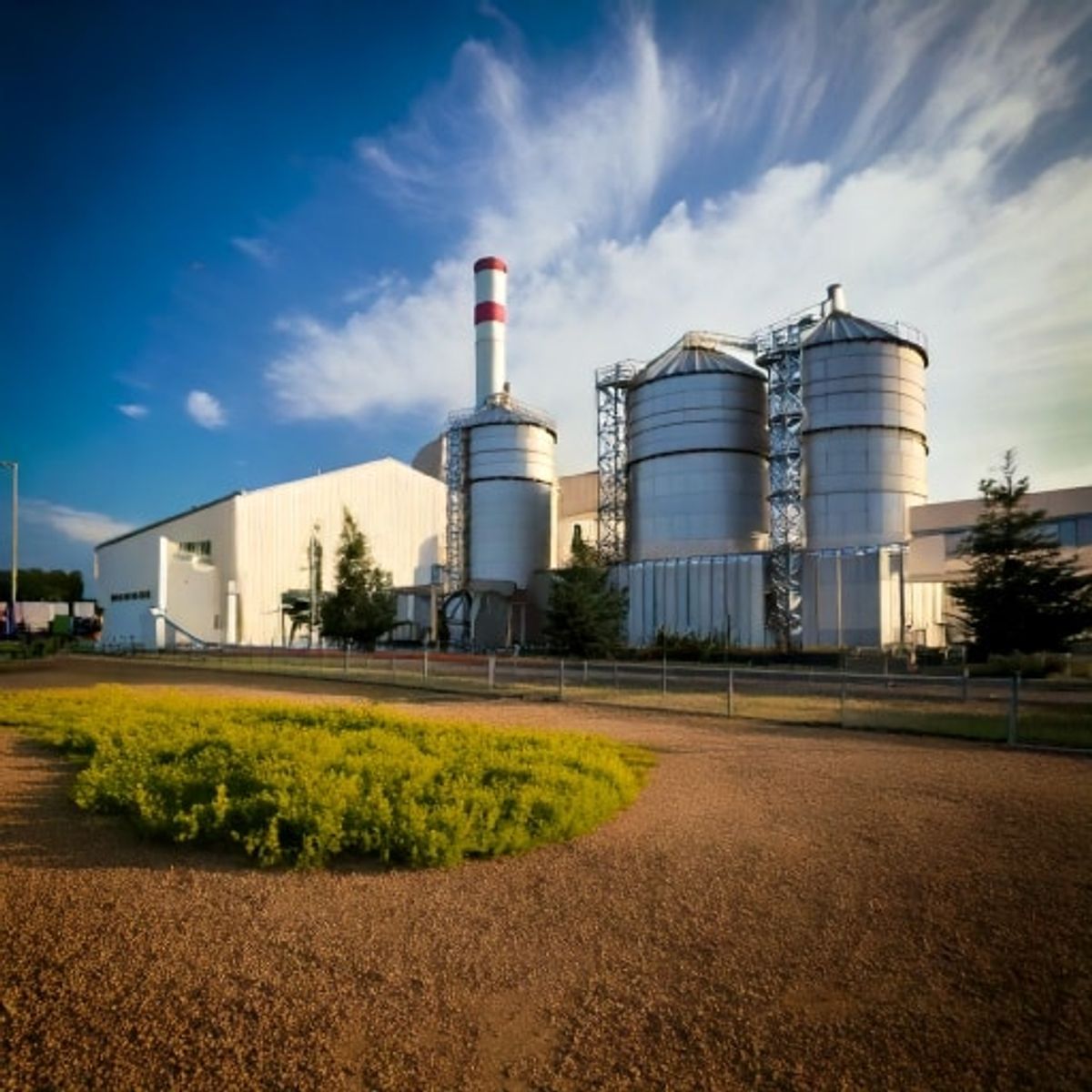
In March 2023, inspectors carried out an inspection at "IndusFriend", a lower-tier SEVESO company. The inspection aimed to check the condition of stored materials, the administrative situation, and fire-fighting strategies.
Checkpoints and findings
Condition of stored materials: The inventory of flammable materials was regularly updated, but critical details on hazardous materials were missing.
Administrative situation: The company exceeded the authorized quantities of flammable substances on three occasions in 2022, which constitutes a serious violation of regulations.
Facility monitoring: Night and weekend surveillance was provided by a security company and cameras. However, the procedures in the event of flame detection were inadequate.
Mandatory drills: The last drill carried out by "IndusFriend" dates back to October 26, 2021, and no simulation has been conducted since then to ensure the effectiveness of emergency procedures.
Regulations require regular fire safety drills, yet IndusFriend's last one dates back to October 26, 2021. Beyond the immediate compliance breach, this gap leaves employees untested against emergency procedures they may need to rely on at any moment.
The consequences of negligence
These shortcomings led to proposed formal notices for "IndusFriend", in accordance with Articles L.171-7 and L.171-8 of the Environmental Code. In particular, it is crucial to note that:
Non-compliance with flammable liquid storage standards exposes the company to increased fire risks.
Insufficient monitoring and failure to carry out annual fire-fighting drills compromise the safety of employees and facilities.
Importance of environmental safety instructions
Environmental safety instructions are essential to prevent accidents and ensure the protection of employees and the environment. You must clearly include these in the Internal Operations Plan (IOP). For more details on the IOP, see our article on digitalizing the IOP.
Where to find safety instructions?
You can find safety instructions in several sources:
The Internal Operations Plan (IOP): Available from company management and must be regularly updated.
Notice boards within the company: Placed in strategic locations, they serve as reminders of emergency procedures.
Regular training sessions: Provided by the company, they ensure that all employees know and understand the instructions.
How to train in fire safety?
Fire safety training is essential to ensure employees know how to react effectively in an emergency. Here's how CountAct can help you improve your fire safety practices:
Needs assessment: We begin with a detailed assessment of your facilities and your specific fire safety needs.
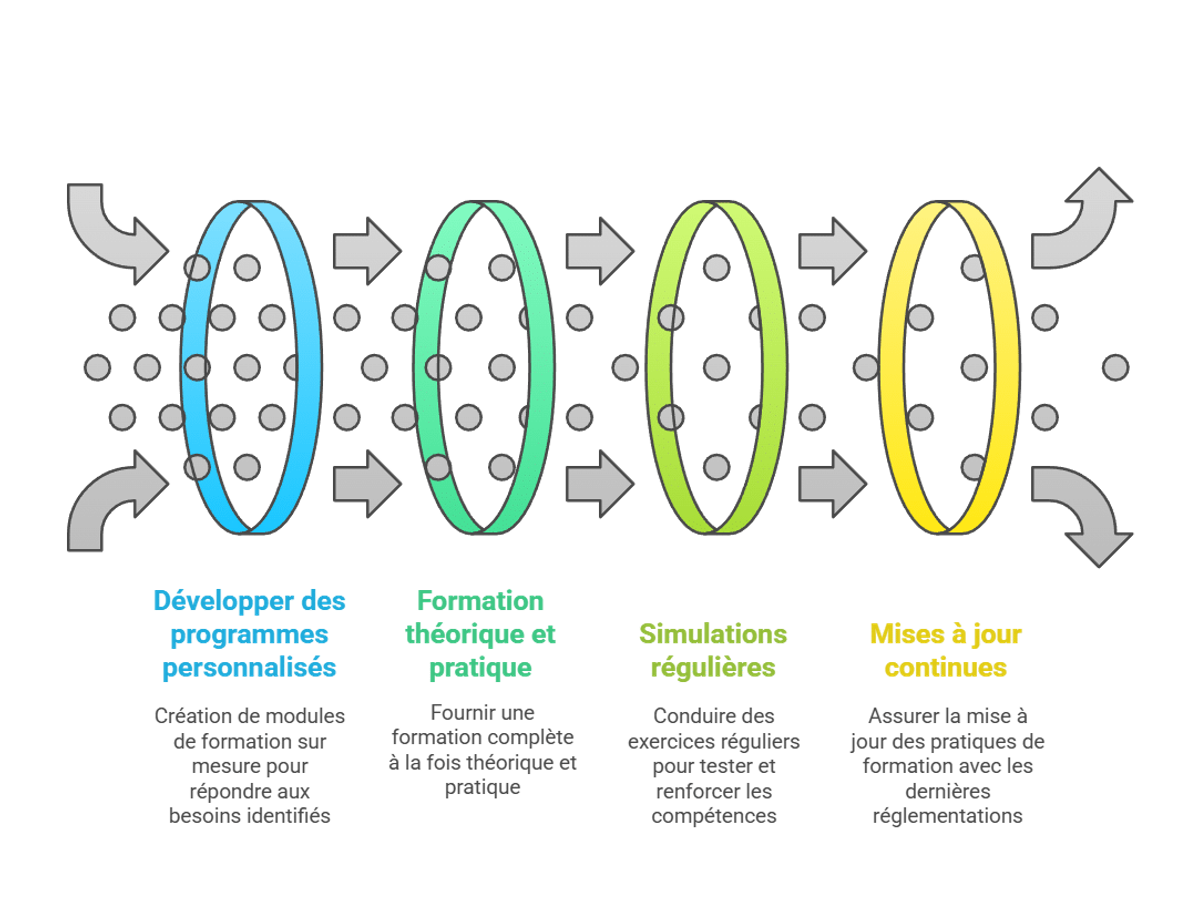
Development of tailored programs: Based on this assessment, we create customized training programs that cover all necessary aspects, from evacuation procedures to fire-fighting techniques.
Theoretical and practical training: The training offered by CountAct includes theoretical modules to understand the basic principles of fire safety, as well as practical exercises to simulate real-life situations.
Regular simulations and drills: CountAct organizes regular simulations to test employees' knowledge and skills, ensuring everyone knows what to do in the event of a fire.
Continuous updates and improvements: CountAct offers regular update sessions to incorporate the latest fire safety regulations.
Is your fire safety training up to date?
CountAct helps SEVESO and industrial sites build tailored fire safety programs, from needs assessment to regular simulations, so you avoid the shortcomings that led to IndusFriend's formal notices.
In conclusion, the "IndusFriend" case highlights the serious consequences of failing to comply with environmental safety. Companies must take proactive measures to ensure compliance and safety.
SécuQuiz
Test your knowledge
Question 1 sur 5
What type of SEVESO company is "IndusFriend" classified as?
Frequently asked questions
Tom BasinStrategic Partnerships Manager
Holding a Master's degree in risk prevention, Tom Basin serves as Partnerships Manager at CountAct, contributing to the development and rollout of the first turnkey crisis management support solution, with the aim of putting security back at the heart of businesses. His experience, along with his training at the Master's level and at the Institut national des hautes études de la sécurité et de la justice, gives him a broad perspective on security and crisis management.